

Common Mistakes to Avoid When Building a Home in Sri Lanka
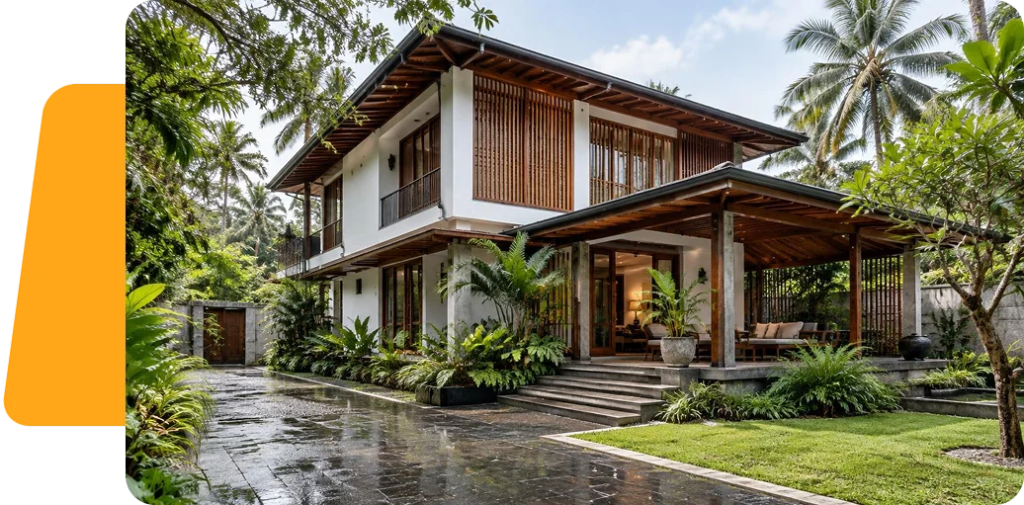
Building a home is a major investment, and for most people, it is something they do only once or twice in their lifetime. From choosing the right land to selecting the design, materials, and builder, every decision can affect the final result.
In Sri Lanka, building a home can come with its own challenges. Land conditions, weather, material selection, workmanship, approvals, and coordination between different teams all need to be considered before construction begins.
Good planning can help avoid many common problems and make the entire building process easier to manage.
- Choosing Land Based Only on Location
A good location is important, but there is more to choosing land than the neighbourhood or its future value.
The condition and shape of the land can have a major impact on the design, construction cost, and comfort of your future home.
Before purchasing land, it is important to consider:
- Soil condition and stability
- Land slope and levels
- Natural light and sunlight direction
- Wind flow and ventilation
- Drainage and rainwater movement
- Road access and site conditions
- Shape and available building area
Taking the time to understand the land before designing the house can help avoid expensive changes later.
- Starting Without a Clear Design Direction
Starting construction before the design is properly developed can create problems throughout the project.
When decisions are made as construction progresses, homeowners may end up making frequent changes to room layouts, windows, electrical points, finishes, and other details.
This can lead to:
- Additional costs
- Construction delays
- Unnecessary changes on site
- Inconsistent design decisions
- Difficulty coordinating different trades
A good design should consider how the home will look, function, and feel before construction begins. Architectural, structural, electrical, plumbing, and interior requirements should be properly coordinated from the beginning.
- Choosing a Builder Without Checking Their Experience
The builder you choose can have a significant impact on the quality and overall experience of your project.
A company may have experience in construction, but that does not necessarily mean they are experienced in the type of home you want to build.
Before selecting a builder, look at:
- Previous completed projects
- Quality of workmanship
- Experience with similar homes
- Project management process
- Communication and customer support
- Ability to manage different trades and suppliers
- Understanding of your design requirements
The right builder should not only be able to construct the house but also manage the process properly from start to finish.
- Ignoring Soil Testing and Structural Analysis
The ground your home is built on is just as important as the structure above it.
Different sites can have different soil conditions, drainage requirements, and foundation needs. Assuming that every block of land can be built on in the same way can create unnecessary risks and costs.
Depending on the site and project, appropriate soil investigation and structural assessment can help determine the right foundation and structural approach.
Proper planning at this stage can help reduce the risk of:
- Foundation settlement
- Structural cracking
- Drainage problems
- Unnecessary construction costs
- Future maintenance issues
A home should be designed around the actual site conditions rather than assumptions.
- Ignoring Soil Testing and Structural Analysis
A good design can still produce a disappointing result if it is not properly communicated and followed during construction.
When architects, engineers, interior designers, contractors, and trades work without proper coordination, information can be missed or interpreted differently.
This can result in:
- Changes being made on site without proper approval
- Design details not being executed correctly
- Conflicts between electrical, plumbing, and structural work
- Material and finish inconsistencies
- Last minute decisions
Good coordination between the design and construction teams helps ensure that what was planned is actually delivered on site
- Underestimating the total Cost
One of the most common mistakes homeowners make is looking only at the basic construction price.
Building a home involves much more than the main structure. Depending on the project, the overall budget may also include design, approvals, structural work, electrical and plumbing systems, finishes, joinery, landscaping, external works, and other requirements.
A budget that does not consider the full scope can lead to unexpected expenses during construction.
Before starting, make sure you understand:
- What is included in the construction price
- What is not included
- The quality and type of finishes
- Allowances for changes or additional work
- External and site related costs
- Payment stages and project costs
A clear budget makes it easier to make decisions and avoid major surprises later.
- Leaving Smart Home Features Until the End
Smart home features are becoming increasingly popular in modern homes. However, they are much easier to include when they are considered during the design stage.
Features such as:
- Smart lighting
- Automated curtains and blinds
- Security systems
- CCTV
- Access control
- Temperature control
- Energy monitoring
- Home automation
may require appropriate wiring, power points, equipment locations, and network planning.
Trying to add these systems after the house is completed can be more difficult and expensive.
If you are interested in smart living, discuss these requirements early so they can be incorporated into the design rather than added as an afterthought.
- Choosing Materials Based Only on Appearance
A material may look great in a showroom, but that does not always mean it is the right choice for your home.
Sri Lanka’s tropical climate, humidity, rainfall, and everyday usage should all be considered when selecting materials.
Think about:
- Durability
- Maintenance requirements
- Climate suitability
- Availability of replacement materials
- Quality
- Cleaning and everyday use
- How the material works with the overall design
Choosing materials based on both appearance and performance can help your home maintain its quality for many years.
- Not Paying Enough Attention to Project Management
Even a well designed home can experience problems when construction is poorly managed.
A building project involves many people, including designers, engineers, supervisors, suppliers, trades, and contractors. Without proper coordination, small issues can quickly affect the timeline and quality of the project.
Common problems include:
- Delays between different stages
- Poor communication
- Material delivery issues
- Limited site supervision
- Rework caused by mistakes
- Inconsistent workmanship
Good project management helps keep the work organised, ensures decisions are communicated clearly, and allows problems to be identified before they become bigger issues.
- Working With Too Many Separate Teams
Some homeowners choose one company for design, another for structural work, different contractors for construction, and separate teams for interiors and other services.
While this can work, it also means the homeowner has to coordinate multiple parties and make sure everyone is working from the same information.
This can create:
- Communication gaps
- Confusion about responsibilities
- Delays between different stages
- Difficulties resolving issues
- Inconsistent results
Where possible, working with an experienced team that can coordinate the major stages of the project can make the process much easier.
Table of Content
- Choosing Land Based Only on Location
- Starting Without a Clear Design Direction
- Choosing a Builder Without Checking Their Experience
- Ignoring Soil Testing and Structural Analysis
- Lack of Coordination Between Design and Construction
- Underestimating the total Cost
- Leaving Smart Home Features Until the End
- Choosing Materials Based Only on Appearance
- Not Paying Enough Attention to Project Management
- Working With Too Many Separate Teams
How Lexmo Sri Lanka Helps Make the Building Process Easier
At Lexmo, we understand that building a home involves much more than putting together a design and starting construction.
Our approach brings design, structural planning, project coordination, and construction together so that the different stages of the project work as one process.
From the initial design to construction, we focus on clear communication, practical planning, quality workmanship, and attention to detail.
This helps homeowners make better decisions early and gives them greater clarity throughout the building journey.
Ready to Build Your Home?
Building a home can feel overwhelming, especially when you are making decisions about land, design, budget, materials, and construction at the same time.
The good news is that many common problems can be avoided with proper planning and the right team.
Take the time to understand your land, define your requirements, prepare a realistic budget, and choose a builder with the right experience for your project.
If you are planning to build a home in Sri Lanka, talk to us about your project and take the first step with a clear plan.